Pocket-Sized Terror: What Nomophobia Reveals About Our Relationship With the Digital World
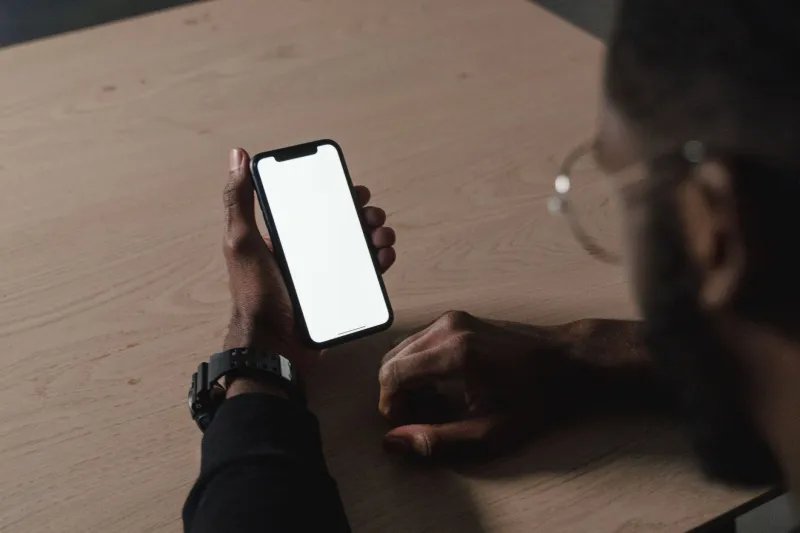
Imagine the sensation of reaching into your pocket and finding it empty. For most people, that moment produces a flicker of mild irritation — a brief mental note to locate the misplaced device. For an estimated 66 percent of American adults, however, that same moment triggers something far more visceral: a racing heart, shallow breathing, a creeping sense of dread that does not resolve until the phone is back in hand. For a meaningful subset of that group, the reaction crosses into territory that psychologists now recognize as a legitimate phobia.
Nomophobia — derived from the phrase "no mobile phone phobia" — was first formally identified in a 2008 study commissioned by the UK's Post Office, but its relevance has only intensified in the years since. As smartphones have evolved from communication tools into the primary infrastructure of modern American life, the anxiety surrounding their absence has deepened accordingly. Today, the condition touches everything from workplace productivity to romantic relationships, and it presents clinicians with a treatment puzzle that few other phobias can match.
More Than a Bad Habit
One of the most persistent misconceptions about nomophobia is that it is simply a polite clinical term for excessive phone use. The distinction matters enormously, both for diagnosis and for the well-being of those who suffer from it.
General technology overuse — scrolling compulsively, checking notifications out of boredom — is a behavioral pattern. Nomophobia is a fear response. When a nomophobic individual is separated from their device, the brain's threat-detection system activates in a manner functionally indistinguishable from what occurs during exposure to a conventional phobia trigger. Cortisol levels rise. The sympathetic nervous system mobilizes. Cognitive function narrows. In documented cases, individuals have reported chest tightness, nausea, trembling, and acute feelings of helplessness — symptoms that mirror those associated with claustrophobia or agoraphobia.
This physiological dimension is what separates nomophobia from ordinary tech dependency, and it is also what makes dismissive cultural attitudes toward the condition so counterproductive. Telling a nomophobic person to "just put the phone down" is roughly equivalent to telling someone with a fear of heights to "just look over the edge."
Who Is Most Vulnerable
Research consistently identifies several demographic groups that carry a disproportionate burden of nomophobia. Young adults between the ages of 18 and 25 show the highest prevalence rates, a finding that aligns with the degree to which this cohort has integrated smartphones into virtually every domain of their lives — social connection, professional identity, navigation, financial management, and entertainment.
However, the assumption that nomophobia is exclusively a young person's condition obscures important nuance. Older adults who rely heavily on their devices for medical management — tracking prescriptions, communicating with healthcare providers, accessing telehealth appointments — can develop equally severe anxiety around separation from those devices. For this group, the smartphone is not merely a social tool; it is a lifeline in a genuinely medical sense, which lends the fear an additional layer of rational justification that complicates treatment.
Individuals with pre-existing anxiety disorders are also at elevated risk. The smartphone, for many sufferers, functions as a portable safety object — a constant source of reassurance, social validation, and environmental control. When that object is removed, the underlying anxiety it was managing does not disappear; it surfaces, often dramatically.
The Treatment Paradox
Here is where nomophobia becomes particularly challenging for mental health practitioners: the most intuitive therapeutic response to excessive phone dependence is also the one most likely to cause harm in genuine phobia sufferers.
Digital detox programs — structured periods of enforced device abstinence — have become a popular wellness intervention across the United States, marketed in retreat settings and recommended by therapists treating general anxiety and burnout. For individuals with mild tech overuse, these programs can be genuinely restorative. For nomophobic individuals, they can constitute a form of unmanaged flooding: prolonged, uncontrolled exposure to a phobia trigger without the scaffolding of a therapeutic framework.
Unmanaged flooding, in clinical terms, does not extinguish fear. It reinforces it. A nomophobic person who is abruptly deprived of their device — particularly in a setting that frames this deprivation as morally corrective — may emerge from the experience with their anxiety more entrenched than before, along with a new layer of shame about their response.
Effective treatment for nomophobia draws instead on the principles of graduated exposure therapy, the same approach used for phobias involving animals, heights, or confined spaces. The process involves carefully structured, incremental separations from the device, conducted within a therapeutic relationship and accompanied by cognitive restructuring work that addresses the underlying beliefs driving the fear. Progress is measured not in hours of abstinence but in the client's ability to tolerate separation without the physiological cascade that previously accompanied it.
Mindfulness-based interventions have also shown promise, particularly in helping individuals develop awareness of the moment the fear response begins — creating a brief window of conscious choice before the compulsive reach for the device occurs.
What the Phone Is Actually Doing
To treat nomophobia effectively, it helps to understand what psychological function the smartphone is serving for the individual who fears its absence. This varies considerably from person to person, and a thorough clinical assessment will typically explore several possibilities.
For some sufferers, the device represents social connectivity — the fear is, at its core, a fear of isolation or abandonment. For others, it is a control mechanism: the phone provides real-time information about the environment, reducing uncertainty and the anxiety that uncertainty generates. For still others, particularly those who have experienced trauma, the phone serves as an anchor to the present moment, a grounding object that mediates dissociation.
Understanding the underlying function does not diminish the phobia, but it does clarify the therapeutic target. A treatment plan for someone whose nomophobia is rooted in social anxiety will look quite different from one designed for a person whose fear is fundamentally about loss of control.
Naming the Fear
There is a particular kind of relief that comes with recognizing that a distressing experience has a name — that it has been observed, studied, and taken seriously by others. For Americans navigating nomophobia, that recognition can be slow in coming, partly because the cultural narrative around smartphone use tends to be moralistic rather than clinical. The person who panics without their phone is more likely to be labeled self-indulgent than anxious.
That framing does real harm. Phobias are not character flaws, and nomophobia is no exception. It is a fear response shaped by the specific technological and social conditions of contemporary life — conditions that are, by any measure, unprecedented. The smartphone has become so thoroughly embedded in the architecture of daily American existence that its absence genuinely disrupts functioning in ways that few other objects can. That the brain, under certain conditions, would encode that disruption as threat is not surprising. That it would do so with the full intensity of a phobic response is, for those who experience it, entirely real.
If you or someone you know recognizes these patterns — the disproportionate distress, the physical symptoms, the inability to function normally when separated from a device — speaking with a licensed mental health professional who specializes in anxiety disorders is the most productive first step. The fear has a name. That, at least, is a beginning.